
Idiopathic hypersomnia
Idiopathic hypersomnia (IH) is a long-lasting (chronic) sleep disorder of the brain (neurologic disorder). Idiopathic means doctors don’t know what causes it.
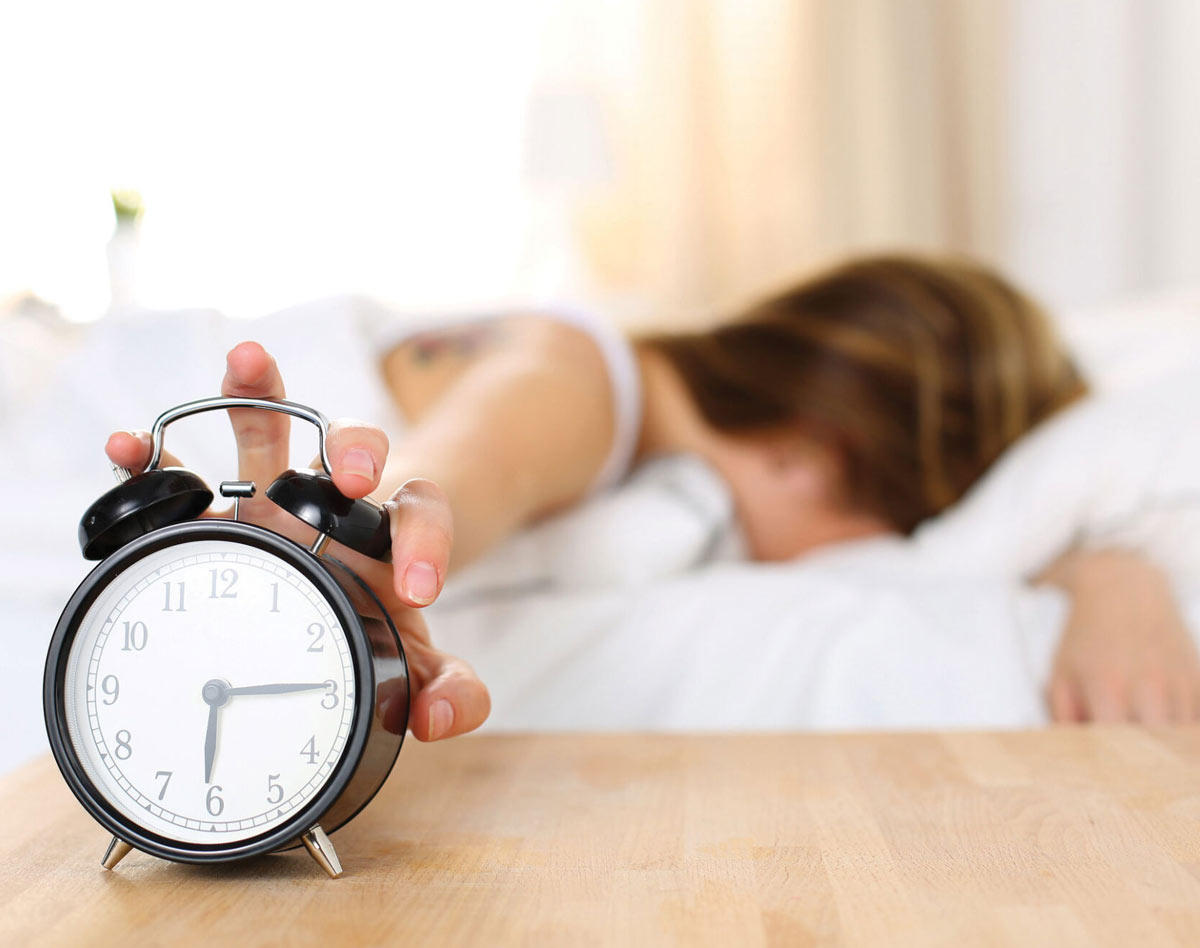
People who have idiopathic hypersomnia (IH) may spend most of their day either sleeping or thinking about, craving, or even fighting the urge to sleep, which can severely impact their quality of life.
Idiopathic hypersomnia (IH):
-
Affects the brain’s ability to control sleep and wakefulness
-
Causes excessive daytime sleepiness (EDS) — a strong daytime sleepiness or need to sleep during the day, even with enough sleep the night before
The main symptom of idiopathic hypersomnia (IH) is EDS that lasts for at least 3 months. Sleep patterns may also change. People who have idiopathic hypersomnia (IH) may often need 1 or more long naps (of 1 hour or more) a day, and their sleep is often unrefreshing. They may also need to sleep several hours more than the average person.
Common symptoms include:
- EDS — Excessive daytime sleepiness
- Needed naps —
- Usually long (more than 1 hour)
- Usually unrefreshing (non-restorative) and may make people feel even worse
- May be hard or impossible to avoid
- Brain fog — Feeling mentally sluggish or fuzzy, confused, forgetful, or unable to focus
- Long sleep — Needing at least 11 hours of sleep per 24-hour period (including naps) or more than 9 hours at night (or whenever you sleep the longest)
- Severe sleep inertia (or sleep drunkenness) —
- Difficult to wake — may need multiple loud alarms or to have a supporter help with waking
- Struggling to wake up fully, often with an overwhelming desire to go back to sleep
- Feeling disoriented, confused, or irritable
- Having poor coordination
- Doing tasks without realizing it
- May last for a few hours after waking up
- Unrefreshing sleep (or non-restorative sleep) — Waking up feeling like you haven’t slept
- Sleep attacks — Episodes when you fall asleep in places or at times you don’t want to
- Fatigue —
- A lack of physical or mental energy
- Feeling tired or exhausted
You don’t need to have all of these symptoms to be diagnosed with idiopathic hypersomnia (IH), but you’ll have at least some of them.
At what age do idiopathic hypersomnia (IH) symptoms usually start?
Symptoms most often start in a person’s mid-to-late teens or early twenties. However, they can start at any age. They may start suddenly or develop over time.
Symptoms may:
- Happen every day, or a few days a week
- Get worse or better over hours, weeks, months, or years
If you have idiopathic hypersomnia (IH), you may have times when you can function (do daily activities such as work or school) well or well enough, and other times when you don’t function well at all. Even if you function well at times, your symptoms should be taken seriously.
It’s hard to know how many people have idiopathic hypersomnia (IH). Some researchers have estimated 1 in every 50,000 people have idiopathic hypersomnia (IH). Other researchers have estimated 1 in every 3,000 people have idiopathic hypersomnia (IH).
A few studies of people with idiopathic hypersomnia (IH) have reported that the likelihood of idiopathic hypersomnia (IH) going away on its own (the remission rate) is 10% to 33% (1 to 3 in every 10 people). However, because the cause of idiopathic hypersomnia (IH) isn’t known and diagnosis can be unclear, some or all people whose idiopathic hypersomnia (IH) went away might just have been initially misdiagnosed with idiopathic hypersomnia (IH). They may have actually had other conditions that were causing their excessive daytime sleepiness.
Having IH can greatly affect daily life:
- Waking up is usually very hard, especially for people who have idiopathic hypersomnia (IH) with long sleep. They often need multiple alarms and morning rituals to wake up for school or work.
- The amount and timing of needed sleep can limit daily activities.
- Idiopathic hypersomnia (IH) can cause problems with thinking, working, and socializing. People with idiopathic hypersomnia (IH) may have trouble doing their jobs, staying in school, having romantic relationships, and fully engaging with their friends and loved ones.
These effects are especially true for people who aren’t taking medicines that work well. But even with medicines, people who have idiopathic hypersomnia (IH) may struggle with these activities.
Doctors will usually:
- Ask about your symptoms and medical history, sometimes using questionnaires
- Confirm from your history that you’ve had daily EDS for at least 3 months
- Do a complete physical exam and medical tests, including sleep studies, to make sure your EDS isn’t caused by something else
Common causes of EDS other than IH include:
- Prescribed medicines causing sleepiness as a side effect
- Insufficient sleep, when you regularly don’t get enough good-quality sleep because of work or social reasons. Your doctor may test you, preferably using a sleep diary along with a wearable sensor called an actigraph
- Problems with sleep rhythms (circadian rhythm sleep-wake disorders), such as delayed sleep phase syndrome
- Another sleep disorder, such as sleep apnea or narcolepsy type 2
- Chronic fatigue syndrome (CFS) or fibromyalgia
- Attention-deficit/hyperactivity disorder
Testing for hypersomnia sleep disorders almost always includes a 2-part sleep study
- An overnight sleep study measures several features of sleep and helps rule out other sleep problems such as sleep apnea.
- A daytime nap study called a Multiple Sleep Latency Test (MSLT) measures how long it takes you to fall asleep during 4 or 5 nap opportunities (chances to nap). The MSLT also shows if you have REM sleep within 15 minutes of falling asleep during a nap. Doctors will usually diagnose you with idiopathic hypersomnia (IH) if:
- You fall asleep in 8 minutes or less (on average across all nap opportunities), and
- You have no more than 1 episode of REM sleep within 15 minutes of falling asleep (including your overnight sleep study)
If your 2-part sleep study doesn’t show idiopathic hypersomnia (IH), doctors can still diagnose you with idiopathic hypersomnia (IH) if you average 11 hours or more sleep per day. To test this, you’ll usually wear an actigraph and keep a sleep diary for at least 7 days.
When should my doctor repeat my sleep studies?
- Only repeat sleep studies if absolutely necessary — for example, if your symptoms have changed a lot and your doctor thinks your diagnosis has also changed.
- If your insurer asks for repeat sleep studies, ask your doctor if the test is needed (“medically indicated”). Your doctor can also recommend different testing, which may include actigraphy and a more detailed sleep diary.
Visit our web pages:
Read or print out our summary of IH: Idiopathic Hypersomnia Characteristics and Diagnostic Criteria (PDF). You may want to share this summary with your doctors or others.
For more information, visit our web page for doctors: “Diagnosis, classification, symptoms, and causes of hypersomnias.”
Stories from people
Living with IH
Meghan Mallare
“Sleeping My Life Away”

Meghan has IH with long sleep time. For Meghan, the hardest thing is waking up every day.
Meghan Mallare – “Sleeping My Life Away”
Meghan Mallare is 26 years old and from southwest Virginia. When she is not sleeping her life away, she works part time as a medical scribe and enjoys cooking and spending time with her puppy. In this video, Meghan describes the profound impact idiopathic hypersomnia has had on her life. She shares the long journey to diagnosis and the misconceptions surrounding this condition. She also describes the emotional, physical, social, and professional difficulties of being a young adult living with IH.
-
More Details
Michelle Emrich, MD
“A Doctor’s Once Agile Brain Broken by IH”

Michelle has IH without long sleep time overlapping with narcolepsy type 2. For Michelle, the hardest thing is struggling with severe brain fog during the day.
Michelle Emrich, MD – “A Doctor’s Once Agile Brain Broken by IH”
Michelle Emrich is an internal medicine physician whose beloved career was cut short when she was 32 years old by the onset of severe, treatment-refractory idiopathic hypersomnia. In this video, she describes how IH broke her formerly agile brain, leading to unrelenting and painfully intense sleepiness, severe brain fog with associated cognitive dysfunction, and the need for multiple daily obligatory daytime sleep sessions. Michelle describes the huge impact of IH on every aspect of her life and the great importance of therapy and supportive healthcare providers. She hopes that sharing her story will help foster better understanding of this invisible disease.
-
More Details